
Embracing Setbacks: Reprogramming Your Mind for Resilience
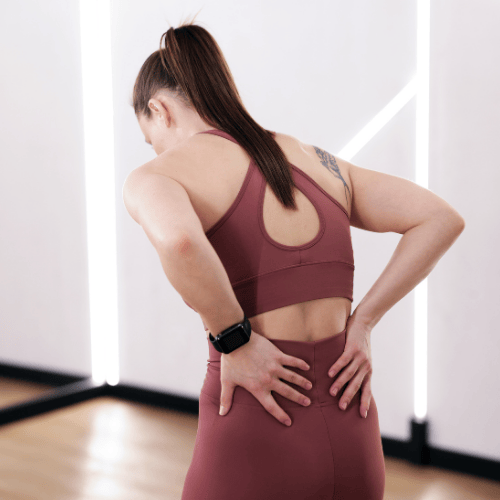
You finally decide to get in shape and lose those extra pounds. You change your eating habits and start working out. Your Bloom workbook helps you overcome emotional eating and cravings, allowing you to quiet the food noise and make healthy choices naturally. Things are going so well that you decide to increase your workout intensity since your eating is on track.
However, you begin to notice back pain, which you initially brush off as muscle soreness from your increased workouts. Day by day, the pain persists and worsens. Eventually, it becomes so severe that you can’t even work out anymore. Frustrated and feeling hopeless about losing weight and getting in shape, you start to eat poorly again. You find yourself caught in a downward spiral of failure and defeat. Your inner voice reminds you that it predicted this outcome, as it has in the past, urging you to stop trying because you’ll never lose the weight or get fit.
If this sounds familiar, you’re not alone. Setbacks are a common part of any journey, and they don’t mean you have failed. They aren’t a sign that you can’t lose weight or get in shape; instead, think of them as small bumps along the way rather than mountains to climb.
Viewing setbacks from this perspective can help you see the bigger picture and keep moving forward. They do not define who you are or what you can achieve. Remember, your wellness and weight loss journey is not a straight line. Unexpected challenges can arise, and that's natural.
What matters is how you choose to respond to these challenges. You can allow them to derail your goals, or you can view them as minor obstacles that you can overcome.
Recently, while on my journey to get fit, I experienced a setback. I developed persistent pain in my hip, making it difficult to walk. I had been very active, following a workout program that included strength training, cardio, and stretching. I also returned to cycling and enjoyed long walks outdoors. Therefore, when my hip pain prevented me from participating in these activities, I felt deeply discouraged. I started making poor dietary choices as my inner voice told me that I would never get fit. This experience made me realize that my subconscious mind often resorts to self-sabotage during setbacks, leading me to give up on my goals. Identifying this pattern helped me regain control and empowered me to make positive changes.
I scheduled an appointment to have my hip examined and found out what was going on. To strengthen my hip and modify my activities, I started physical therapy. I realized that the stretches I had been doing were part of the problem, so I learned how to stretch the tight areas in my legs and back without aggravating my hip. Additionally, I worked on tapping techniques to reprogram my subconscious mind, helping me view setbacks as minor obstacles rather than failures. This approach provided me with support, encouragement, and hope. Over time, I was able to return to cycling.
When setbacks arise on your journey, take a moment to tune into your subconscious mind to become aware of the limiting programs it uses and then work to reprogram it. This will enable you to shift your perspective on setbacks, empowering you to respond with confidence and resilience. Remember, setbacks are not a sign of defeat or failure; they are merely bumps on your path to success.
Reset your view of setbacks with our transformative workbooks! Discover the hidden programs operating in your subconscious and learn effective techniques to reprogram your mind for success.